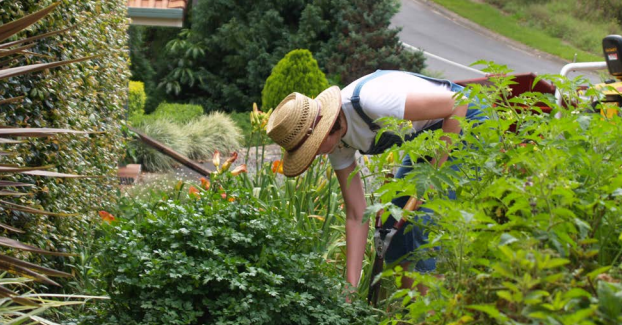
ECOTHERAPY PRACTICE BPS220


When you study Ecotherapy Practice with ACS, you will:

Study nature-based therapy. 
Develop a program of ecotherapy activities.
Approach health and wellness holistically. 
Not need any prior knowledge. 

The course learning aims include: 
Develop knowledge of broad applications and benefits.
Explain theories underpinning ecotherapy practice which support its association with physical and mental health.
Evaluate and determine clients for whom ecotherapy may be appropriate.
Determine a broad range of resources and how to use them.
Explain ecotherapy applications that harness the use of different environments.
Explain ecotherapy applications that utilise plants in a variety of contexts.
Explain ecotherapy applications that utilise animals in a variety of contexts.
Explain ecotherapy applications that can be applied indoors.
Explain ecotherapy applications that utilise creative and artistic activities in a variety of contexts.
Formulate professional wellness advice that blends with other health and wellbeing initiatives.


Benefit from the knowledge of subject matter experts. ACS Distance has employed hundreds of subject specialists over the years to bring our students the best possible learning resources and courses. Our staff are sometimes located overseas which adds to the uniqueness of our course curriculum and content. 


There are 10 lessons in this course.

1. Nature and Scope of Ecotherapy
• Applications of ecotherapy
• Ecopsychology
• What is ecotherapy?
• What is involved in ecotherapy
• Using ecotherapy alongside other therapies
• The need for mental health interventions
• General benefits of nature on wellbeing
• Ecotherapy settings
• Useful terminology

2. Theory of Ecotherapy
• General findings
• Ecological theories
• Problems associated with built environments
• Models underpinning ecotherapy
• Nature and mental health research
• Is direct contact with nature necessary?

3. Ecotherapy Clients
• General wellbeing benefits
• Psychological benefits
• Physical benefits
• Understanding the body’s responses to stress
• General barriers to getting involved in ecotherapy
• How to overcome these barriers
• Ecotherapy for mental disorders
• Ecotherapy for physical conditions
• Specific issues

4. Intake Assessment and Ecotherapy Resources
• Interviewing potential clients
• Interviewing techniques
• Determining suitability
• Background history
• Choosing ecotherapy environments

5. Environment-Based Ecotherapy
• Using the environment
• Types of environment activities
• Conservation projects
• Wilderness Therapy
• Forest bathing
• Breathing and relaxation exercises
• Other outdoor activities

6. Plant-Based Ecotherapy
• Physical ecotherapy activities
• Psychological ecotherapy activities
• Fascination therapy
• Adventure therapy
• Horticultural therapy
• Using the senses

7. Animal-Based Ecotherapy
• Bird watching
• Pet therapy
• Equine assisted therapy and horse riding
• Animal habitats
• Care farming and therapeutic farm activities
• Interacting with wildlife
• Using the senses

8. Indoor Ecotherapy
• Indoor applications of ecotherapy
• Workspaces
• Photographs
• Growing at home
• Fresh flowers in the home or ecotherapy space
• Touching nature
• Arts and crafts
• Creating nature indoors
• Pets and animals indoors

9. Creativity based Ecotherapy
• Therapeutic photography
• Writing therapy
• Art therapy
• Music therapy
• Drama therapy
• Dance therapy
• The benefits of creative therapies

10. Holistic Wellness incorporating Ecotherapy
• Walking
• Relaxation
• Mindfulness
• Counselling in nature
• Combining ecotherapy with other modalities
• Our connection with nature

Interested in studying a Certificate in Therapeutic Practice? Talk to us today about complementary courses which can be combined and build on your professional knowledge and skills. Apply what you have learned. 


Choosing a education provider isn’t always easy. 
With ACS you have: 
1. Private education which has met Standards for Excellence as set out by the International Approval and Registration Centre. 

2. Your choice of location and learning atmosphere. You might not have the time or money to travel to a buzzing metropolitan centre to attend class. Happy learning at home when it suits you? Now you can. May like to consider accessing an environment which supports your study. Studying ecotherapy for example, accessing outdoor spaces might become a valuable part of your success. 

3. An online and flexible delivery mode, with friendly and expert tutor support available by email or on the phone. 

4. Graduate satisfaction and outcomes. It’s good to know we’ve been educating people for over 40 years. We’ve celebrated thousands of student successes over that time and warmly invite you join the others. 


  • Who will enjoy and benefit from learning ecotherapy practice?
  • Anyone working in health, fitness or wellbeing industries.
  • Counsellors, Counsellors, Coaches
  • Complementary Health Practitioners, Health Support Professionals
  • Horticultural Therapists, Pet Therapists and Recreation officers.


More from ACS

Coping better with Negative Emotions

Learn effective ways to manage stress.

Medicinal Herbs

The Medicinal Herbs ebook is a practical guide on the herbs that can be used to remedy conditions in the human body. This ebook is a fascinating read that looks into the chemicals in herbs and their effects on the body. There is a glossary of terms that helps you understand what the medical terms mean and illustrations and detailed herb descriptions help you identify the plants.